INSIGHTS · 17 November 2026
Instagram Amazon Affiliate Links: What Creators Must Know 2026
Instagram has partnered with Amazon to let creators embed shoppable affiliate links directly in Reels and feed posts, up to 30 products per Reel and 20 per feed post. This is a major monetisation shift for influencers, brands and digital marketers looking to convert social engagement into direct sales.
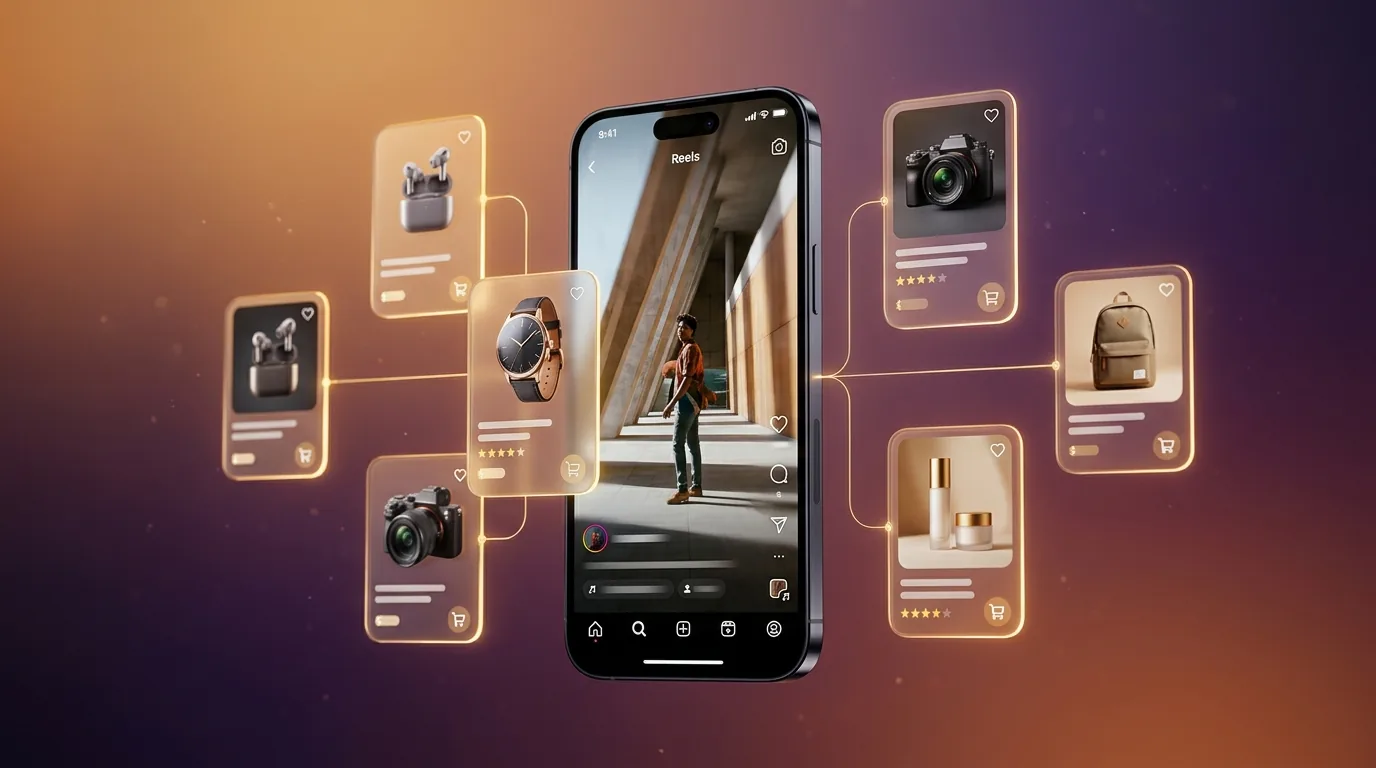
Instagram just made a major move that every creator and digital marketer in India needs to pay attention to. The platform has partnered with Amazon to let creators add shoppable affiliate product links directly inside Reels and feed posts. If you have been waiting for a cleaner way to earn from your Instagram content, this is the update you have been looking for.
What Changed: Instagram Amazon Affiliate Links Are Now Real
According to Social Media Today, Instagram has officially added Amazon affiliate links as part of a new partnership between the two platforms. This is not a workaround or a third-party hack. It is a native integration built directly into the Instagram content creation flow.
The specifics are impressive. Creators can now tag up to 30 shoppable products per Reel and up to 20 shoppable products per feed post. That means a single piece of content can carry multiple product recommendations, all linked directly to Amazon listings.
When a viewer taps a tagged product, they are taken to the Amazon page where they can complete the purchase. If they buy, the creator earns a commission. The whole process happens without the viewer needing to leave their shopping intent behind, and without the creator needing to shout a link in bio every five seconds.
This is a significant shift from how affiliate marketing on Instagram used to work. Previously, creators had to paste affiliate links in their bio, use link-in-bio tools, or rely on Instagram Stories with swipe-up links, which were only available to accounts with large followings. Now the product is embedded right in the content itself.
Why It Matters for Businesses and Brands
For brands that sell on Amazon, this partnership opens up a new and highly visual discovery channel. Instagram has always been strong at making people want things. Amazon has always been strong at letting people buy things quickly. Combining the two inside a single content piece is a logical and powerful step.
The commerce potential on short video content is real. TikTok UK published a live shopping report, which found that almost one-third of live viewers eventually went on to buy a displayed product, sometimes even in-store. That tells us something important: watching a creator talk about a product builds enough trust and desire to drive real purchases.
For Indian brands and Amazon sellers, this matters even more. The influencer marketing ecosystem in India is enormous, with creators across every niche from skincare to tech to cooking. Many of these creators already use Amazon affiliate links informally. This native integration will make that process more professional, more trackable, and more profitable.
At the same time, the broader AI and automation layer is shifting how audiences and even bots interact with product content. Search Engine Journal reported that Meta and OpenAI AI agents made nearly 90 percent of agent requests observed in one month, with most of those requests going to product and search pages rather than checkout. This signals that product discovery content is being consumed at scale, not just by human eyes but by AI systems too. Well-structured product content on Instagram will carry more visibility weight going forward.
Impact on Indian and Local Businesses
For small businesses and sellers based in Indian cities like Indore, Bhopal, Mumbai, or Bengaluru, this update changes the influencer marketing equation. If you sell a product on Amazon India, you now have a direct pipeline to get that product in front of engaged Instagram audiences through creator partnerships.
Instead of paying an influencer a flat fee and hoping for sales, you can now structure a commission-based deal where the creator tags your Amazon product directly in their Reel. You pay only when sales happen. That is a much safer and more measurable way to work with creators, especially for small and medium businesses with limited marketing budgets.
Local creators in Tier 2 and Tier 3 cities also stand to benefit. Many micro-influencers in India have loyal, trust-based audiences but have struggled to monetise because brand deals were reserved for bigger accounts. With Amazon affiliate links embedded in content, even a creator with 5,000 to 10,000 followers can generate consistent affiliate income from product recommendations their audience actually trusts.
For Students and Job Seekers Learning Digital Marketing
If you are currently learning digital marketing or building a career in this field, this update is something you should add to your practical knowledge immediately. Affiliate marketing and social commerce are two of the fastest-growing specialisations in the industry right now.
Understanding how to set up an Amazon affiliate account, how to tag products correctly within Instagram content, and how to structure a content strategy around product recommendations are skills that clients and employers will start asking about soon. The earlier you get hands-on experience with this, the more valuable you become.
HubSpot's marketing research on AI influencers highlights how the creator space is evolving rapidly. Even as AI-generated influencer content grows, the audience's core need remains the same: they want recommendations they can trust from voices they recognise. Human creators who understand affiliate strategy, product selection, and audience trust will have a long-term advantage over automated content generators.
Practice this by starting a small Instagram account in a niche you know well, joining the Amazon Associates programme, and experimenting with product tagging in your Reels. Even if you are not making thousands of sales, the hands-on knowledge you build is worth far more in job interviews and freelance pitches.
Common Mistakes Creators Make with Affiliate Marketing on Instagram
The most common mistake is recommending products purely for commission rather than genuine usefulness. Audiences notice this quickly, and it erodes trust faster than almost anything else. Only tag products you have actually used or would genuinely recommend to a friend.
Another frequent error is not disclosing the affiliate relationship. In many markets including India, disclosure is becoming a legal and platform requirement. Write a simple note in your caption such as "contains affiliate links" or "I may earn a commission if you purchase through these links." It protects you and builds honest relationships with your audience.
Creators also often underestimate the importance of product relevance. Tagging 30 products in a single Reel sounds exciting, but stuffing your content with unrelated items will confuse viewers and reduce click-through rates. Be selective. Choose products that fit naturally into the content and serve your specific audience's needs.
Finally, do not ignore your analytics. Track which products get clicks, which convert to purchases, and which content formats drive the best results. Over time, that data will tell you exactly what your audience wants to buy and how they prefer to discover it.
What You Should Do Now: An Action Checklist
- Apply for or review your Amazon Associates account. Make sure your Instagram profile qualifies and that your account is in good standing with Amazon's affiliate programme.
- Map your content to relevant product categories. Think about what products naturally fit your niche and what your audience is likely to search for on Amazon.
- Start experimenting with product tagging in Reels. Since Reels allow up to 30 products, test a few different approaches such as one focused Reel with five closely related products versus a broader round-up style format.
- Add clear disclosures to every piece of affiliate content. Build this habit now before it becomes a problem.
- Track your performance weekly. Use Amazon's affiliate dashboard alongside Instagram Insights to understand what is working.
- Build relationships with Amazon sellers and brands. This native integration makes it easier to pitch collaboration deals where you handle the content and they benefit from the sales.
- Stay updated on platform policy changes. Both Instagram and Amazon update their terms regularly, and what is allowed today may shift in the future.
Frequently Asked Questions
How many Amazon products can I tag in an Instagram Reel?
According to Social Media Today, creators can add up to 30 shoppable products in a single Reel and up to 20 products in a standard feed post. This gives creators significant flexibility to create detailed product round-up content without needing separate posts for each item.
Do I need a large following to use Instagram Amazon affiliate links?
The integration is designed for creators at various levels, not just those with hundreds of thousands of followers. Even micro-influencers with smaller but highly engaged audiences can participate through the Amazon Associates programme. Focus on building genuine trust with your audience first, and the follower count will become less of a barrier over time.
Is it necessary to disclose affiliate links on Instagram?
Yes, and this is not optional. Disclosing affiliate relationships is both an ethical practice and an increasingly enforced requirement on platforms and in certain regulatory frameworks. A simple, clear note in your caption stating that the post contains affiliate links is the right approach and will not hurt your engagement if your content is genuinely useful.
How does this update affect small businesses that sell on Amazon in India?
It opens up a commission-based influencer marketing channel that is more affordable and measurable than traditional flat-fee sponsorships. Small businesses can partner with relevant Instagram creators, have their Amazon products tagged directly in content, and pay only when results are delivered. This makes influencer marketing accessible to businesses with smaller budgets who want real, trackable outcomes rather than just brand awareness.
Meta Ads
Make Facebook & Instagram ads pay back.
Creative, targeting and tracking set up properly, so every rupee is accountable.
Kamlesh Singad
Founder, Code With Kamlesh. Helped 200+ businesses scale through SEO, Google Ads & Social Media. 8+ years of digital marketing experience.
Comments (0)
No comments yet. Be the first to comment!